Network & EventsNobody should carry instructional leadership alone.
The principal, the assistant principal and the coach carry more than any one person should. The community step of the cycle puts them in a room, virtual or in person, with peers working the same problems, and with Jim Knight’s research behind them.
From one leader to a national community.
Scroll out from one person to the whole field. Each ring is a group you can work alongside, and each one has a way in.
- You
- Your school’s triad
- The Jim Knight Impact Network
- TLC, the national gathering
- You
The job carries more than one person should.
The walkthroughs, the feedback, the coaching cycles, the data meeting, the parent call. Most instructional leaders carry it with no one in the building doing the same job.
- Your school’s triad
The principal, the assistant principal and the coach, together.
The three people who shape instruction in a school work best as one team, with a shared language for coaching and feedback. Every offering here is built for the triad, not one role at a time.
- The Jim Knight Impact Network
Peers working the same problems, every month.
Monthly workshops with Jim Knight and other experts, role-specific collaboratives and a members-only community, with GroweLab to keep the work in one place. See the Network.
- The national gathering
Once a year, the whole room.
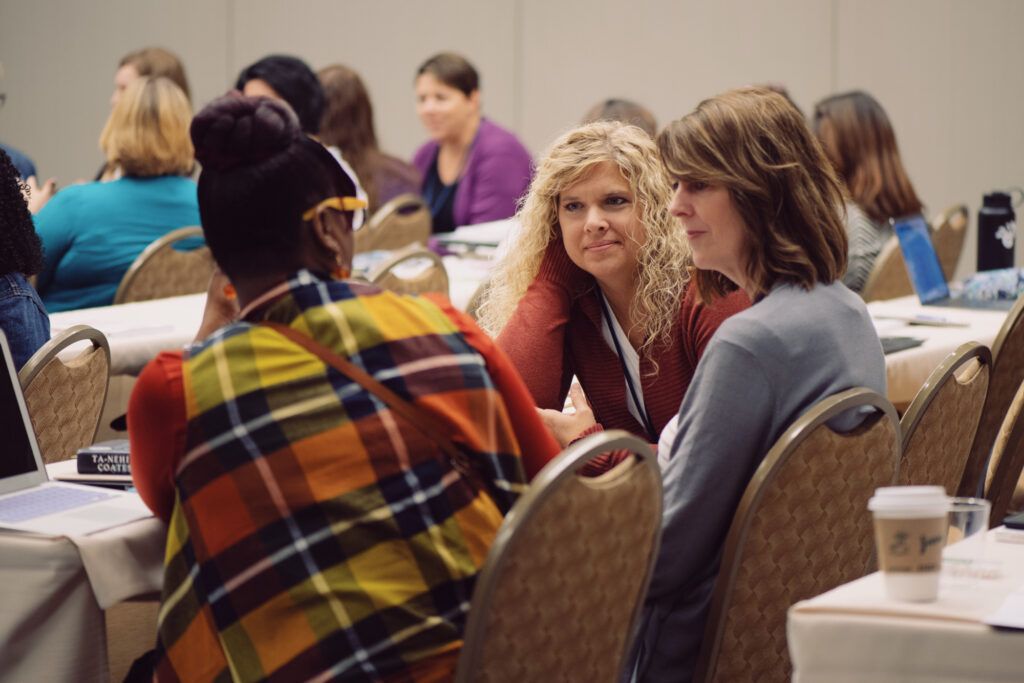
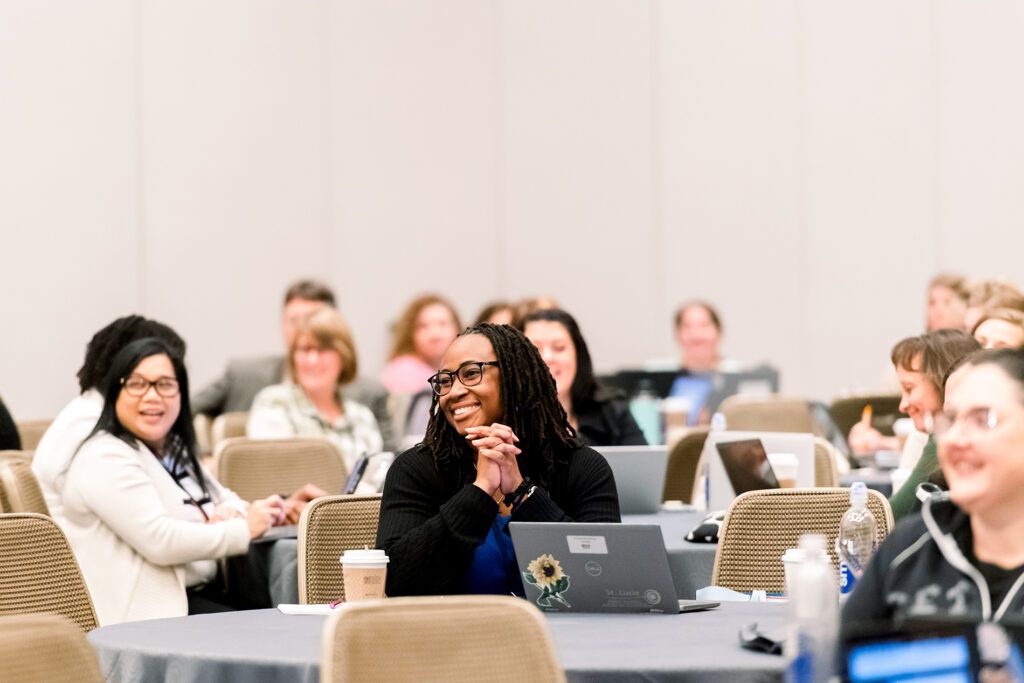
The Teaching, Leading, Coaching Conference (TLC) brings coaches, leaders and teachers together in person to learn from one another as partners, with Jim Knight’s research behind every session.
Built on Jim Knight’s 30 years of instructional coaching research.
Three ways in, from an institute to all year.
Each one puts leaders and coaches in a room with peers working the same problems. Start small, and go further when it is useful.
- Start here Foundational, in person or virtual
Instructional Coaching Institutes
Jim Knight’s institutes build the beliefs, skills and knowledge of instructional coaching: the Impact Cycle, the Partnership Principles and the Seven Success Factors.
For coaches and coaching leaders - Membership, all year
Jim Knight Impact Network
Monthly workshops with Jim Knight and other experts, role-specific collaboratives, a members-only community, GroweLab and an AI coaching agent that pairs with human coaching.
For principals, assistant principals and coaches - Annual, in person
Teaching, Leading, Coaching Conference (TLC)
The annual gathering where coaches, leaders and teachers learn from one another as partners. Network members attend at a discount.
For leaders and coaches nationwide
Practical tools, real support, and peers who get it.
No other membership providers bundle platform, monthly PD, community and the software tool to track all of it.
The Instructional Coaching Group, Jim Knight’s organization, is part of engage2learn, so the community step connects to the assessment, the plan and the coaching that came before it.
Our hope is that the Jim Knight Impact Network will do the opposite by providing practical tools, meaningful support, and a community that helps leaders focus on the conversations and partnerships that matter most for students.
Community is where the cycle turns again.
Connect to community is the fourth step. Leaders bring what the assessment found and what the coaching grew to peers working the same problems, and the next turn of the cycle starts better informed.
- 01
Diagnose
The assessment names the educator skills behind the gap, school by school.
Assessments & Software - 02
Design
The plan prioritizes those skills, with an owner and a measure for each.
Planning & Design - 03
Coach
Former district practitioners coach those skills inside your schools.
Performance Improvement - You are here 04
Connect to community
Leaders and coaches work the same problems with peers, with the assessment, the plan, the coaching logs and the growth data in one place.
Network & Events
Questions leaders ask.
What is the Jim Knight Impact Network, and who is it for?
The Jim Knight Impact Network is a membership for principals, assistant principals and instructional coaches. It brings monthly workshops with Jim Knight and other experts, role-specific collaboratives, a members-only community and GroweLab into one offering.
What is the lowest-commitment way to start?
Start with an Instructional Coaching Institute. Jim Knight’s foundational institute, in person or virtual, builds the coaching foundation before deciding on anything more.
Do we need an assessment or a coaching partnership before joining the Network or an event?
No. Anyone can join the Network or come to an institute or TLC without any other engagement. A district can start at any step of the cycle.
How do the Network, the institutes and the conference fit together?
They are three levels of the same community. The Instructional Coaching Institutes build the coaching foundation; the Jim Knight Impact Network keeps leaders and coaches learning together all year; and the Teaching, Leading, Coaching Conference (TLC) gathers everyone once a year.
Can a district bring the Network to every school?
Yes. A school-wide membership extends GroweLab and the Network’s AI coaching support to all staff, and a district can bring one consistent coaching model to every school. Book a conversation to plan it.
What research is the community built on?
It is built on Jim Knight’s instructional coaching research, which began in 1996, 30 years ago. Over 150,000 instructional coaches have been trained through Jim Knight and the Instructional Coaching Group.
Bring your team into the room.
Tell us who in your district carries instructional leadership, and we’ll recommend the way in: an institute, the Network, or all of it for every school.